Commercial Waste Removal in Pinner
Commercial waste removal in Pinner helps businesses deal with routine and one-off rubbish from day-to-day operations, refits and clear-outs. We handle a practical range of non-hazardous commercial waste streams, with the focus on keeping premises tidy, access points clear and disposal straightforward. If you need a reliable way to move bulky or mixed waste off site, our service is designed to support that process without unnecessary complexity.
For many firms, the real challenge is not only the uplift itself but the organisation around it. We can remove office contents, shop waste, warehouse surplus and general business refuse in a way that suits the amount and type of material involved. Clear communication and sensible planning make the collection easier to manage, especially where access is limited, items are awkward to carry or waste is spread across more than one area.
If you are comparing options, take a look at our pricing and quotes page for a clearer idea of how enquiries are handled. You can also make an initial plan now and request a quotation when you are ready.
Office waste and business clearances
Office waste removal can cover desks, chairs, filing, packaging, cupboards and general clutter that builds up during moves, refurbishments or periodic clear-outs. Where suitable, we can also deal with mixed office items that need separating before disposal, so the load is handled efficiently and with less disruption to the workspace. This is often useful when an office is changing layout rather than closing completely, because the removal can be phased around what must stay in place.
Business clearances are most effective when the waste is grouped sensibly before collection. A simple sort by furniture, recyclable material and general rubbish helps create a smoother uplift, but you do not need to do everything yourself. We can work with a prepared list or a visual overview of what needs removing, which makes it easier to plan the size of the job and the time needed on site. Office clearance is one of the most relevant options when the items are mainly workplace fittings and contents.
What this type of removal can include
Depending on the collection, commercial waste removal may cover assorted office furniture, stored files, redundant fittings, cardboard, packaging and general business rubbish. The aim is to keep the process practical: remove what is no longer needed, leave the usable space ready for its next stage and avoid overcomplicating the job with unnecessary extra steps. Business waste removal suits customers who need a broader ongoing or one-off solution for workplace rubbish.
Shop, stockroom and light commercial waste
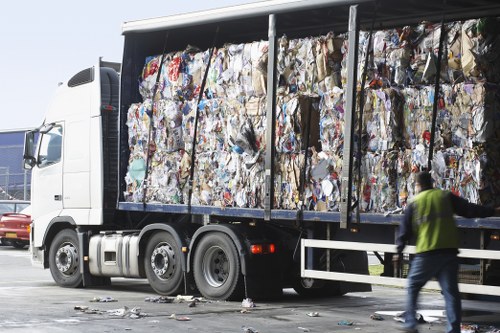
Retail and light commercial premises often produce waste that is varied rather than uniform. That can include packaging, broken displays, end-of-line stock, damaged shelving and general refuse from stockrooms or back-of-house areas. Our service supports the removal of these materials in a way that keeps customer areas and working zones more manageable while the clearance is carried out.
Where waste is concentrated in stockrooms or small commercial units, the main decisions usually concern volume, access and whether any items need separate handling. A straightforward collection is often enough, but some jobs involve dismantled fixtures or mixed contents that benefit from a more careful sequence. If you are reviewing a wider list of removal options, our waste removal page can help you understand the general scope of the service before you ask for a quote.
The most useful preparation is usually simple: identify what is staying, what needs taking away and whether anything is fragile or awkward. That makes it easier to agree the right approach without turning the enquiry into a long checklist. Practical detail is more helpful than guesswork when the load contains different types of business rubbish.
Furniture, fixtures and bulky items
Commercial waste removal often involves heavier pieces that are no longer useful in their current setting. Office chairs, tables, cabinets, reception furniture and similar items can take up valuable space, and they usually need a planned uplift rather than ad hoc carrying. We can help remove bulky items as part of a broader clearance or as a focused collection when the main issue is furniture.
It is worth considering whether the items are reusable, recyclable or simply ready for disposal, because that can affect how the removal is organised. A clear description of the furniture type, size and quantity is usually enough to start a quotation. If your project is mainly concerned with surplus furniture, the furniture disposal page may be the best place to review that part of the service in more detail.
When the load includes a mixture of office items and domestic-style furniture from a staff area, a blended collection can still be arranged if the materials are suitable for the same uplift. The key is keeping the scope clear so the work remains orderly and properly matched to the premises.
Clearance planning and access
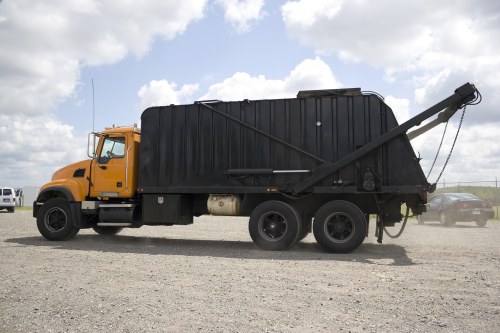
Commercial clearances are easier to manage when access is considered early. That includes loading points, stairs, narrow corridors, shared entrances and any time restrictions on the premises. A small amount of planning can prevent delays and make the removal smoother, especially where the waste is stored in more than one room or needs to be brought out in stages. We keep the arrangement practical rather than overcomplicated.
Where a business is between uses, moving out furniture and waste in one planned visit can simplify the next phase of the premises. In other cases, an ongoing collection may be more suitable if rubbish builds up repeatedly and needs regular attention. For customers who want to organise a date or discuss the scope first, the book online page is a convenient way to begin the process.
Useful details to have ready
A short description of the waste, the approximate amount and any access limitations is usually enough to begin. If the items are on upper floors, behind secure doors or spread across multiple areas, mention that at the enquiry stage. A few precise details are better than long explanations, and they help the quote reflect the actual job rather than a rough assumption. You do not need to overprepare; clear, simple information tends to be the most useful.
Recycling and responsible disposal
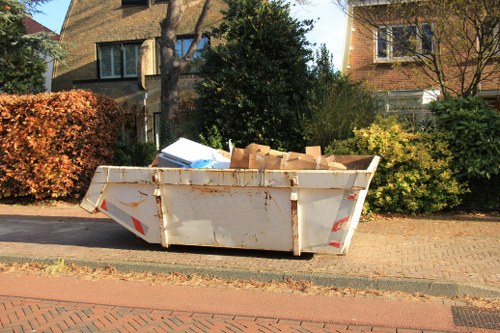
Many commercial waste collections include materials that can be separated before disposal. Cardboard, metal, certain plastics and reusable office contents may be handled differently from general rubbish, depending on what is being removed. Our approach is centred on practical sorting where appropriate, so the load is dealt with in a sensible way rather than treated as one undifferentiated pile. If sustainability is an important part of your brief, our recycling and sustainability page gives a useful overview of that approach.
Some items are more straightforward than others. Mixed waste from a clearance may contain a few recyclable materials alongside general refuse, while a more focused job might involve almost entirely one type of item. Either way, the aim is to keep the collection efficient and avoid unnecessary handling. When your business has documents that must be destroyed securely, the separate confidential shredding page covers that specialist requirement.
Pricing factors and quotation details
Commercial waste removal pricing usually depends on the amount of waste, the type of items, access and the time required to complete the collection. A bulky load of furniture is different from a small quantity of mixed office rubbish, and that difference is important when preparing a fair quotation. If items need dismantling, carrying from upper floors or moving through tight access points, those practical factors may also affect the plan.
It helps to think in terms of the whole job rather than just the visible pile of waste. A collection can be affected by how spread out the items are, whether they are stacked safely and how quickly they can be loaded. For customers dealing with larger furniture items, the furniture clearance page is a useful reference point when the emphasis is on taking away more than one bulky item.
If you are assembling an enquiry, you can keep it brief and still be clear. A list of the main items, a rough estimate of quantity and any restrictions on access usually gives enough information for a useful response. That approach keeps the quotation process efficient and avoids unnecessary back-and-forth.
About Pinner
Pinner is a suburb in the London Borough of Harrow, in northwest London, and it retains a strong village-like centre despite being part of a major metropolitan area. Its history is visible in the layered character of the High Street, where older buildings sit alongside later shops and housing. The area’s name is thought to derive from medieval associations with people who made pins, reflecting how many London place names preserve traces of earlier trades and settlements. Pinner’s church, St John the Baptist, is one of its best-known landmarks and stands as a focal point within the historic core. The churchyard and surrounding streets give a sense of continuity with the older settlement pattern, while the nearby conservation areas help protect the scale of the built environment. The suburb is also known for Pinner Memorial Park, a substantial open space that provides formal gardens, sports facilities and room for local events. The park adds to the area’s balance of residential streets and green space, with mature trees and well-used paths that make it part of everyday local life. Rail connections helped shape Pinner’s growth in the late nineteenth and early twentieth centuries, and the station remains a key link to the wider capital. As a result, the area combines period homes, civic amenities and a compact centre that still feels distinct within Greater London. Cultural life is supported by community activity, seasonal events and the continuing presence of independent businesses along the main streets, which together give Pinner a settled and recognisable identity.
If your premises are in the area and you want a clear way to remove business rubbish, compare the available options and choose the collection that fits the site. A straightforward enquiry is often the quickest route to the right plan, especially where the waste is bulky or mixed. When you are ready, ask for a quotation and outline the main items to be taken away.
For larger jobs or repeat collections, it can help to note which rooms, floors or storage areas are involved before you send details. That simple step keeps the quotation focused and helps the work move from initial request to collection with less effort. If you need to request a quotation, use the contact page to begin.
House, garage and loft clearances for mixed property waste

Although the main focus here is commercial waste removal, some business premises also include domestic-style spaces such as staff rooms, rented accommodation above a shop, or mixed-use properties with storage areas. In those situations, clearances may involve household-style furniture, boxed items, loose rubbish and redundant contents from a loft, garage or back room. The key is identifying which items belong in the job so the collection remains properly scoped.
Where a site contains both business and non-business waste, a sensible approach is to group the items by type and note any fragile or valuable pieces before the uplift. That makes it easier to organise the work and decide whether a full clearance, a partial uplift or a more targeted furniture removal is the best fit. For mixed property contents, the house clearance page may be helpful where the main challenge is domestic-style contents rather than office refuse.
When waste sits in a loft, garage or similar storage space, access and carrying distance often matter more than the type of item itself. The collection can still be straightforward, but a precise description of where the items are stored helps keep the job efficient. A clear quotation starts with a clear picture of what needs removing, and from where.
Construction-related waste and heavier clear-outs
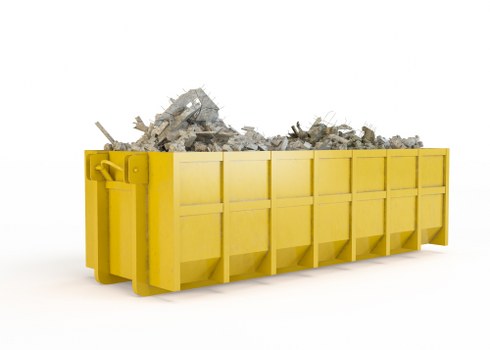
Commercial waste removal is sometimes needed after fit-outs, repairs or property works, when the load includes broken fixtures, packaging, offcuts and general site debris. In these cases, the waste can be heavier and more awkward than routine office rubbish, so the collection needs to be organised around the material itself. We can handle suitable non-hazardous waste from those projects as part of a practical uplift.
If your job involves builders’ debris, mixed site waste or leftover materials from a refurbishment, it helps to separate anything fragile, sharp or potentially specialist before the collection takes place. That keeps the removal efficient and reduces uncertainty about what is included. The builders waste clearance page is the most relevant place to review this type of work when the waste comes from a construction or improvement project.
For premises that generate recurring rubbish after works are completed, the broader business waste removal option may suit ongoing needs better than a one-off collection. Either way, the aim is to remove what is no longer useful and leave the space ready for its next stage.
Choosing the right clearance for your premises
Not every job needs the same kind of removal. Some customers need a focused uplift for a few items, while others need a fuller clearance across several rooms. The right choice depends on the type of waste, how much there is and whether it is mainly furniture, stock, office contents or general rubbish. A well-defined scope makes it easier to arrange the collection in a way that suits the premises.
For lighter and more specialist needs, there are separate service pages that may match the job more closely than a general enquiry. The garage clearance page suits storage-heavy spaces, while loft clearance is more relevant where waste is kept upstairs or under the roof. If the collection is mainly domestic-style property contents rather than business rubbish, the flat clearance and home clearance pages provide additional context.
When you have decided what needs to go, the next step is usually simple: share the basic details, confirm the access and ask for a quotation. That keeps the process practical and avoids turning a straightforward removal into a prolonged planning exercise. One clear message is often enough to start.