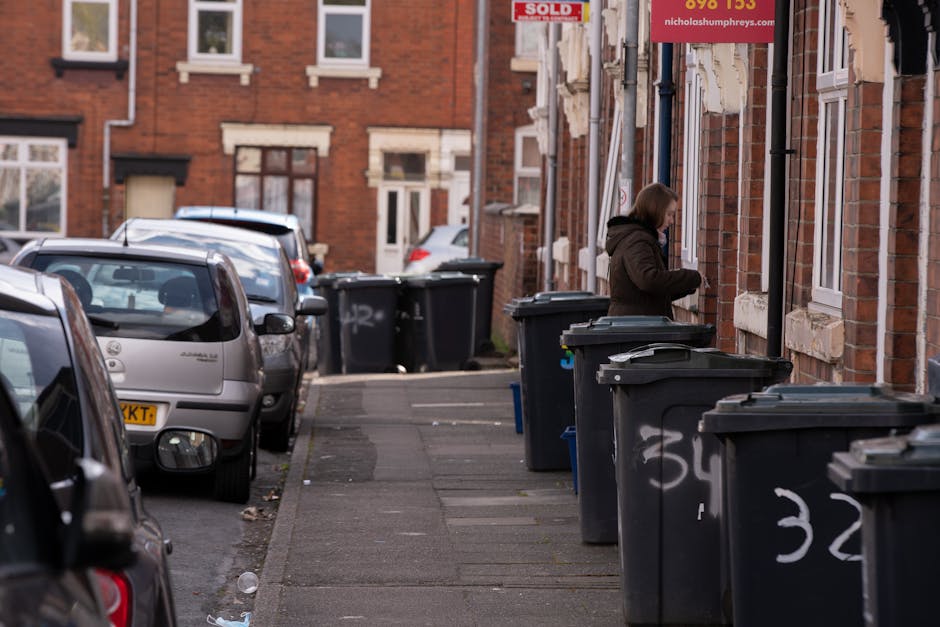
Rayners Lane estate rubbish removal for communal clearances
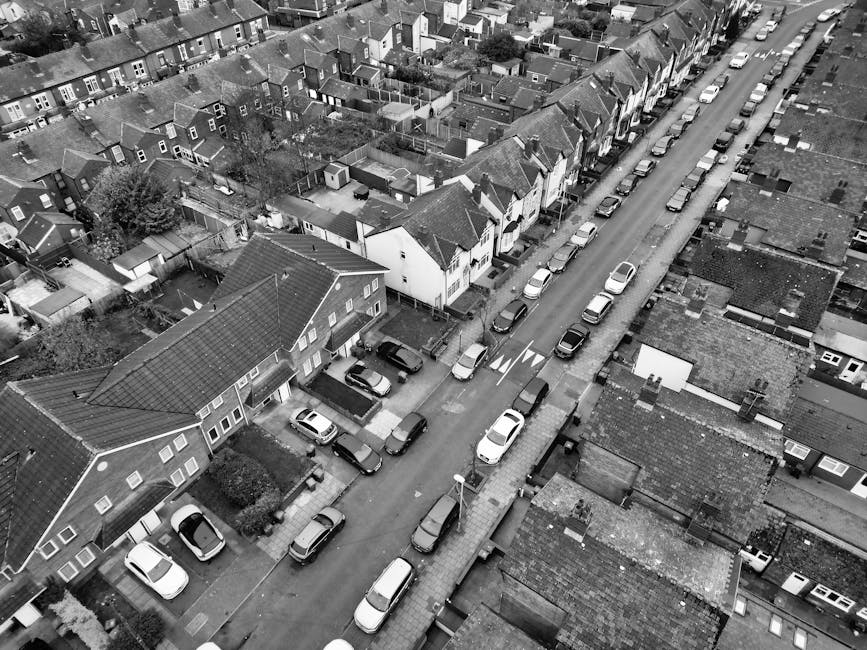
Shared entrances, bin stores, broken furniture, old mattresses, renovation leftovers, and the odd mystery pile by the service yard - estate rubbish has a habit of building up quietly until it suddenly becomes everyone's problem. If you manage a block, run a residents' association, or simply want a cleaner communal space, Rayners Lane estate rubbish removal for communal clearances is about more than just lifting waste away. It is about keeping shared areas safe, presentable, and workable for the people who use them every day.
That sounds straightforward, and sometimes it is. But communal clearances bring a few extra wrinkles: access rules, neighbour coordination, mixed waste types, and the need to avoid disrupting people who are coming home with shopping bags, pushchairs, or a bicycle balanced awkwardly in the rain. This guide walks through how it works, what to expect, what to watch out for, and how to plan a clearance that feels calm rather than chaotic.
Why Rayners Lane estate rubbish removal for communal clearances Matters
Communal rubbish can change the feel of an estate very quickly. One overloaded bin area, one abandoned sofa, or a stack of builders' debris near a shared path can make a place look neglected even when most residents are keeping things tidy. In a busy area like Rayners Lane, that visual clutter often becomes practical clutter too. It narrows walkways, attracts fly-tipping, and can make maintenance work harder than it needs to be.
There is also the simple matter of day-to-day comfort. Residents notice smells in warm weather, blocked access points, noisy shifting of waste, and bins that cannot be reached properly. To be fair, nobody enjoys stepping around an old wardrobe on the way to the lift. A good communal clearance restores order without turning the estate into a construction site for the afternoon.
For managing agents and landlords, the stakes are a bit higher. Poor waste handling can lead to complaints, extra cleaning costs, and unnecessary tension between neighbours. A planned clearance is often the difference between a one-off issue and a recurring headache.
How Rayners Lane estate rubbish removal for communal clearances Works
The process is usually more organised than people expect. Instead of filling a skip over several days or asking residents to carry waste to a distant point, communal clearance is arranged as a targeted collection and removal service. The team arrives, assesses the waste on site, separates what can be reused or recycled where possible, and loads it safely for disposal.
In practical terms, the job often starts with a quick review of access. Can a vehicle get close enough? Is there a locked gate? Are there time windows for loading? Is the waste in a bin store, courtyard, underground car park, or a shared rear access lane? These details matter more than people think. One missed access note can delay a whole job, and then you are standing there at 8:15 on a damp Tuesday wondering why the fridge still has not moved. Happens more often than you would expect.
Typical communal clearances may include:
- bagged household rubbish left in shared spaces
- abandoned furniture and broken flat-pack items
- old mattresses, sofas, and office chairs
- appliances that are no longer needed
- loose rubble or waste from maintenance work
- garden cuttings from shared outdoor spaces
- mixed clutter from storage cupboards, plant rooms, or bin stores
Where items need special handling, the right service will plan for that in advance. For example, appliance removal may need separate handling from general waste, while anything hazardous should be isolated before collection. If you are dealing with mixed estate waste after repairs or refurbishments, it can also help to review builders' waste clearance alongside general removal arrangements.
Key Benefits and Practical Advantages
The value of communal rubbish removal is not just that it clears stuff away. It improves the way the whole site functions. That sounds a bit grand until you have lived with an overflowing bin bay for a week, then it feels obvious.
- Safer shared areas: fewer trip hazards, less obstruction, and better access for residents and contractors.
- Better presentation: clean communal spaces make the estate feel cared for, which matters for residents and visitors alike.
- Less neighbour friction: a planned clearance reduces arguments over who left what where.
- Faster response to problem waste: items are removed before they spread into a bigger issue.
- More efficient recycling: sorting can happen properly rather than waste being mixed together in a panic.
- Reduced disruption: a good clearance is usually quicker and tidier than ad hoc removals.
There is another benefit that is easy to overlook: confidence. Residents feel better in a building that looks looked after. That can shape how people treat the estate too. When communal areas are tidy, people are usually a bit more careful with them. Funny how that works.
Who This Is For and When It Makes Sense
This kind of clearance is useful for a surprisingly wide range of people. It is not only for large housing blocks, though those are common. In Rayners Lane, it may be needed by managing agents, freeholders, resident associations, landlords, maintenance teams, and even individual leaseholders who have permission to clear shared storage or external areas.
It makes sense when waste is affecting a shared environment rather than just one private flat. Common triggers include:
- fly-tipped items in communal hallways, bin rooms, or courtyards
- bulk waste left after move-outs
- clearance after tenant turnover in shared buildings
- estate tidy-ups before inspections or works
- post-refurbishment waste in shared access areas
- seasonal clean-ups in gardens, yards, or storage areas
If the job is mostly one flat rather than a shared area, services such as flat clearance or home clearance may be a better fit. For more substantial whole-property jobs, house clearance can be relevant too. The right choice depends on where the waste is, who owns it, and how much coordination is needed.
Truth be told, the best time to organise a communal clearance is before the waste becomes a complaint thread. Once people start emailing photos, you are already on the back foot.
Step-by-Step Guidance
A smooth estate clearance usually follows a simple but disciplined process. The sequence matters. Skip a step and you end up with delays, surprises, or residents thinking the job is less under control than it really is.
- Survey the site. Identify the waste, access route, and any items that need special handling.
- Clarify permissions. Make sure the right person has authorised the work and that residents know what will happen.
- Separate waste types. Put general waste, bulky items, appliances, and hazardous materials into different categories where possible.
- Plan around access windows. Consider school runs, peak footfall, lift access, parking restrictions, and noise sensitivity.
- Protect the communal space. Use sensible lifting methods, avoid scraping walls, and keep routes clear.
- Remove and load efficiently. The team should work methodically, not just shovel everything together.
- Sort for recycling or disposal. Where materials can be recovered, they should be kept separate.
- Do a final walk-through. Check that no small debris, broken glass, or packaging has been left behind.
If the clearance also involves a shared office space, storage room, or commercial unit within the estate, it may be worth reviewing business waste removal and office clearance options too. Mixed-use estates are common, and they can get messy fast if one plan is trying to do three different jobs.
Expert Tips for Better Results
A few small decisions make a big difference. Most of them are unglamorous, which is probably why people forget them.
- Photograph the waste before the visit. This helps with planning, especially if the pile is scattered or includes hidden items.
- Label anything that stays. If residents are storing bikes, prams, or approved items nearby, mark them clearly so nothing is accidentally removed.
- Book the job at a quiet time. Early morning or mid-morning often works best, depending on the estate layout.
- Check for awkward items first. Fridges, mattresses, and oversized furniture can change the load plan.
- Keep one point of contact. Too many voices creates confusion. One person, one decision-maker.
- Build in a little extra time. Shared buildings always have a surprise tucked somewhere. A locked gate. A missing key. A resident's trolley. Something.
If you are already expecting bulky furniture or worn-out soft furnishings in the pile, it may help to look at furniture clearance and mattress and sofa disposal services as part of the planning. And if old appliances are involved, fridge and appliance removal is worth considering separately because those items often need more careful handling.
Common Mistakes to Avoid
Communal clearances tend to go wrong for very ordinary reasons. Not dramatic reasons. Just avoidable ones.
- Leaving the job until access becomes impossible. A bin store full of waste is easier to manage than waste spread down a stairwell.
- Mixing hazardous and non-hazardous materials. That can complicate disposal and create safety problems.
- Assuming everyone knows what is being removed. They usually do not.
- Ignoring resident communication. No one likes surprises in a shared space.
- Not checking parking or loading restrictions. This can derail timing and create avoidable stress.
- Forgetting recycling decisions. Mixed loads are less efficient and less tidy.
A smaller but frequent mistake is treating communal rubbish like a private garage clearance. The scale might be similar, but the logistics are different. If the waste includes storage overflow, bikes, old tools, or garden debris from a shared outdoor area, then garage clearance and garden clearance pages may be useful reference points for the type of items involved.
Tools, Resources and Recommendations
You do not need a warehouse full of gear to organise a communal clearance, but a few practical tools help keep things under control. Most of them are low-tech, which is reassuring in its own way.
- A simple site checklist for access, keys, waste type, and resident notices.
- Basic signage to remind residents what is happening and when.
- Phone photos for documenting the waste area before and after.
- Gloves, closed footwear, and sensible protective clothing for anyone involved in sorting or moving items.
- Clear storage bags or labelled zones if the site team is separating waste before collection.
For broader planning, the most useful internal pages on the website are often the ones that explain the different waste streams and service types. For example, waste removal is a sensible starting point for general clear-outs, while recycling and sustainability gives a better feel for how reusable and recyclable materials should be handled. If you want to understand what can go into a mixed collection and what should be separated out, what can go in a skip is also a useful comparison point, even where a skip is not the chosen method.
One small recommendation: keep a dedicated photo record folder for recurring estate issues. It sounds a bit dull, but it saves time when the same corner keeps attracting dumped waste every two months. Patterns matter.
Law, Compliance, Standards, or Best Practice
With communal rubbish removal, good practice is not just about tidiness. It also means handling waste responsibly and paying attention to site safety. In the UK, waste should be collected and disposed of in line with accepted duty-of-care expectations, and any hazardous items need extra care. That is especially important in shared estates, where the consequences of a mistake affect lots of people at once.
For estate managers, the safest approach is to keep a clear record of what was removed, how it was segregated, and whether any special waste streams were identified beforehand. That record does not need to be fancy. Even a short note with date, location, and general waste type can be helpful later. If contractors are on site, it also makes sense to review their health and safety policy and insurance and safety information before the job starts.
Where confidential documents are found during a communal clearance, they should not just be thrown into a mixed waste pile. That is exactly the kind of thing people regret later. A dedicated approach such as confidential shredding is the sensible route if paperwork is part of the load.
Hazardous items should be identified early and handled separately. This includes materials that may be harmful, contaminated, or difficult to dispose of in standard collections. Where there is any doubt, stop and isolate the item rather than guessing. A cautious pause is annoying in the moment, but far better than creating a problem nobody wanted.
Options, Methods, or Comparison Table
There is more than one way to clear communal waste, and the right option depends on access, volume, and the type of rubbish involved. Here is a simple comparison to help with decision-making.
| Method | Best for | Strengths | Trade-offs |
|---|---|---|---|
| Scheduled clearance visit | Bulk waste, mixed items, shared areas | Quick, flexible, often less disruptive | Needs good communication and site access |
| Skip hire | Longer projects, ongoing waste generation | Useful if waste will build up over time | Space, permits, and loading control can be awkward |
| In-house resident tidy-up | Very light waste or minor sorting | Low direct cost if volunteers are available | Slow, inconsistent, and not ideal for bulky items |
| Targeted specialist removal | Appliances, furniture, hazardous or mixed loads | Better handling of awkward items | May need more planning and item-specific sorting |
If the estate is under pressure from repeated dumping, a scheduled clearance is often the most efficient first step. If the issue is tied to an ongoing project, then a mixed approach can work better. For example, a brief communal tidy-up plus a more formal bulk collection later on. Not always elegant, but effective.
Case Study or Real-World Example
Imagine a modest residential block near Rayners Lane station with a shared bin area at the rear. Over a few weeks, residents leave flattened boxes, a broken chair, two old mattresses, and a bag of mixed clutter from a storage cupboard. Then a contractor leaves some packaging after a minor repair. Nothing huge on its own. Together, though, it starts to look grim.
The managing agent arranges a communal clearance on a weekday morning. Residents are told in advance to keep the access path clear and avoid leaving items outside their doors. The team checks the route, collects the bulky waste, removes the loose clutter, and separates the reusable or recyclable material from the general rubbish. The mattress and soft furnishings are taken as a distinct item category, while the packaging and smaller mixed waste are cleared quickly. By lunchtime, the bin area is usable again.
The main lesson? The job worked because the planning matched the site. No overcomplicated process. Just a clear route, a clear point of contact, and a realistic understanding of what had to go. Simple, really. But simple done properly is what people remember.
Practical Checklist
Use this checklist before arranging a communal clearance. It keeps the process calm and avoids the usual last-minute scramble.
- Identify exactly which areas need clearing.
- List the waste types and note any bulky or awkward items.
- Check access, parking, gates, lifts, and loading points.
- Confirm who has authority to approve the work.
- Tell residents what will happen and when.
- Separate hazardous or sensitive items early.
- Think through recycling and reuse opportunities.
- Protect walls, floors, and shared entrances where needed.
- Keep a contact number for the day of the clearance.
- Do a post-clearance inspection of the area.
Expert summary: the best communal clearances are planned around the estate, not forced onto it. When access, communication, and waste types are considered in advance, the whole job becomes faster, safer, and far less annoying for everyone involved.
Get a free quote today and see how much you can save.
Conclusion
Rayners Lane estate rubbish removal for communal clearances is ultimately about restoring order in places that many people share. That means thinking beyond the waste itself and paying attention to access, timing, safety, and the everyday rhythm of the building. When it is done well, residents barely notice the disruption - they just notice that the place feels better.
Whether you are dealing with a one-off fly-tip, a bin store that needs a proper reset, or a larger estate-wide tidy-up, the best results come from clear planning and a practical approach. Keep it simple, keep it safe, and keep people informed. That usually does the trick.
And if your communal space has been nagging at you for weeks, there is a certain relief in finally getting it sorted. A clean start is still a start.
Frequently Asked Questions
What is communal rubbish removal on an estate?
It is the collection and disposal of waste from shared spaces such as bin stores, courtyards, hallways, service yards, and communal gardens. The aim is to clear items that affect more than one household or user.
How is communal clearance different from a normal flat clearance?
A flat clearance focuses on waste from one home, while communal clearance deals with shared or mixed-area waste. It usually needs more coordination because access, residents, and shared responsibilities are involved.
What kinds of items are commonly removed from estate communal areas?
Typical items include bags of rubbish, old furniture, mattresses, boxes, broken chairs, appliances, garden waste, and mixed clutter from storage spaces. The exact load depends on the estate and the problem at hand.
Can bulky items like sofas and mattresses be included?
Yes, bulky items are often part of communal clearances. Sofas, mattresses, and similar large pieces are common in shared spaces and usually need special handling because of their size and weight.
What if the clearance includes fridges or other appliances?
Appliances should be identified in advance so they can be handled appropriately. Fridges and similar items often need separate planning, which is why fridge and appliance removal can be useful where those items are present.
Do residents need to be told before a communal clearance?
Usually, yes. Clear communication helps avoid confusion, protects personal belongings, and reduces disruption. A short notice with the date, time, and any access instructions goes a long way.
How do I know if something counts as hazardous waste?
If an item may be harmful, contaminated, or difficult to dispose of in a standard collection, it should be treated cautiously. When in doubt, isolate it and seek advice rather than mixing it into general waste.
Is recycling possible during communal rubbish removal?
Often, yes. Reusable and recyclable items can sometimes be separated from the main load, especially if the clearance is planned properly. That is one reason sorting before collection is worth the effort.
What is the best time of day to arrange the clearance?
Mid-morning or another quieter period is often best, depending on the estate. The main thing is to avoid the busiest resident movement and any restricted access windows.
How can estate managers prepare for a smoother clearance?
They should confirm access, identify the waste, notify residents, protect shared areas, and keep one clear point of contact. A short checklist is often more useful than a long meeting, honestly.
What should happen after the waste is removed?
The area should be checked for small debris, damage, or anything left behind. If the space still attracts dumped items, it may be worth reviewing site controls, signage, or storage arrangements.
Where can I find more information about the company's approach to safety and ethics?
Helpful background is available on the site's about us, health and safety policy, insurance and safety, and payment and security pages.