Pinner Memorial Park rubbish removal and recycling options: a practical guide for cleaner, easier clearances
If you are trying to sort out Pinner Memorial Park rubbish removal and recycling options, chances are you want something straightforward: less clutter, less stress, and a responsible way to deal with the waste without making a mess of the day. That might mean clearing up after a small landscaping job, removing broken garden items, dealing with general litter, or figuring out what can be recycled instead of simply thrown away. Truth be told, this is one of those jobs that looks simple until the bags start piling up.
This guide breaks the subject down in plain English. You will find what the options actually are, how the process tends to work, what to watch out for, and when a professional clearance service makes the most sense. We will also cover recycling, waste separation, compliance basics, and a few practical tips that save time. No fluff. Just the useful stuff, plus a few real-world pointers that people often wish they had known sooner.
Why Pinner Memorial Park rubbish removal and recycling options Matters
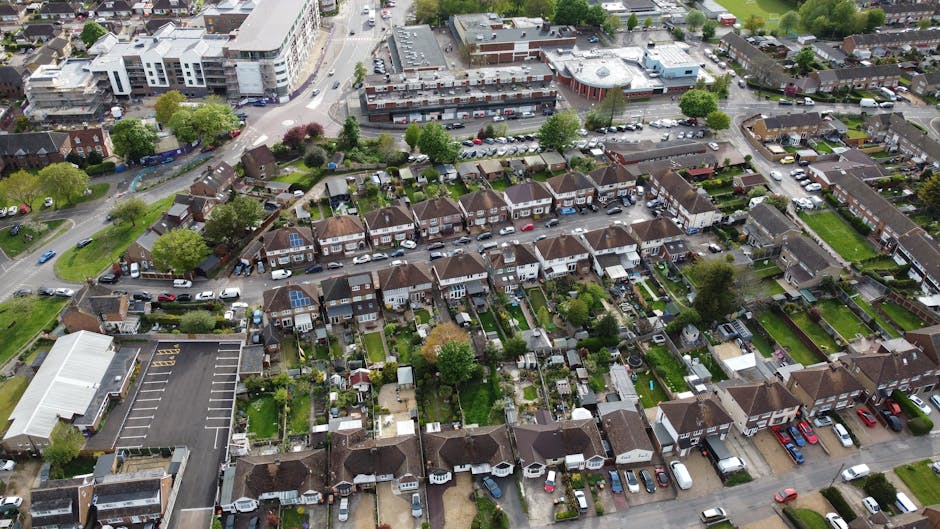
Pinner Memorial Park is the sort of place where tidiness matters. Visitors notice it. Families notice it. Dog walkers, joggers, local residents, and anyone passing through notices it. So when waste starts to build up, even in small amounts, it changes how the place feels. A few bags left too long, broken garden waste after a tidy-up, or mixed rubbish dumped beside a path can quickly make a well-kept area feel neglected.
That is the practical side. There is also the recycling side, which is often where people get stuck. Not everything that looks like rubbish is actually rubbish in the strictest sense. Some items can be recycled, some can be reused, and some need specialist handling. The difference matters because mixing everything together usually means more waste ends up being treated as general rubbish than necessary. And let's face it, that is not ideal for anyone.
In a park setting, the stakes are slightly different from a domestic clear-out. You may be dealing with public-facing areas, access constraints, shared responsibility, or items that have been left behind by multiple people over time. A forgotten chair under a tree, old planting waste, a rusting metal frame, and a few bags of household-type waste all need different handling. Sorting that properly is what keeps the process efficient and sensible.
For many people, the real issue is time. You can spend a whole afternoon trying to separate waste, make multiple trips, and still wonder whether you have disposed of everything correctly. That is why a planned approach helps. It saves energy, cuts down on confusion, and keeps recyclable material in the right stream. If you already know you need a broader clearance, services such as waste removal or even a wider garden clearance can be more practical than tackling it piecemeal.
How Pinner Memorial Park rubbish removal and recycling options Works
At a basic level, the process is quite simple: identify the waste, separate what can be reused or recycled, then arrange the right route for removal. The details matter though, because the wrong method can create avoidable costs or delays.
1. Identify the waste stream
Start by sorting items into broad categories. In a park environment, that usually means green waste, general litter, bulky items, metal, wood, plastics, and anything that could be classed as hazardous or awkward. You do not need to overcomplicate it, but you do need enough separation to avoid contamination. One dirty bag of mixed rubbish can spoil a load of otherwise recyclable material.
2. Decide what stays, what goes, and what can be recycled
Some items are obvious. Leaves, cut branches, and plant cuttings are usually much easier to treat as green waste. Metal items may be recyclable if they are clean and safe to handle. Broken furniture, office items, or worn-out benches often need specialist removal. If you are dealing with old household items from a nearby property, links such as house clearance or home clearance can be relevant, depending on the source of the waste.
3. Choose a collection method
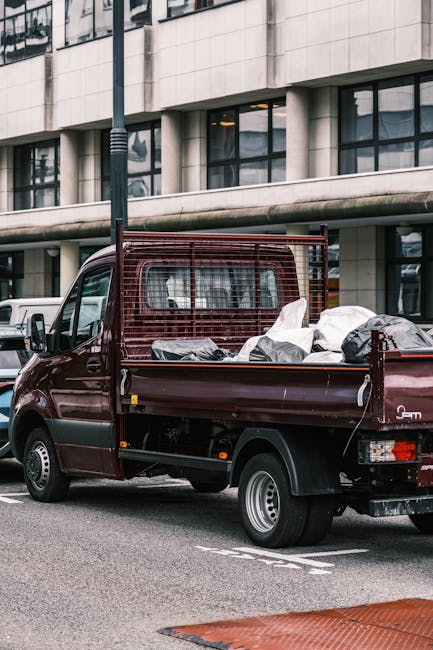
There are a few common routes. You can load waste yourself if the amount is modest and you have the right vehicle. You can use a skip if the waste is suitable and there is space. Or you can book a collection service that handles the lifting and sorting for you. For mixed or bulky material, a professional collection is often the least stressful option because nobody wants to spend their Saturday wrestling with wet branches and a warped cupboard door. Nobody.
4. Keep recyclable material separate
Recycling works best when the material is kept clean and separated from general rubbish. Cardboard, rigid plastics, metal, untreated wood, and green waste are often easier to process when sorted early. For businesses and organisations managing regular waste, the recycling and sustainability page is a useful place to think through the longer-term approach, especially if disposal patterns repeat week after week.
5. Arrange disposal and confirmation
Once the waste is collected, the last step is ensuring it goes where it should. That means a route that is lawful, traceable, and suitable for the waste type. If there is any uncertainty about material that may be contaminated, sharp, electrical, or chemically treated, it is always better to pause and check before loading it in with everything else.
Key Benefits and Practical Advantages
The best rubbish removal approach is not just about getting rid of things. It should make the whole job easier, cleaner, and less wasteful. A good system delivers several practical wins.
- Less clutter: You clear the space faster and reduce visual mess straight away.
- Better recycling rates: Materials are separated properly instead of being mixed beyond recovery.
- Safer working conditions: Fewer obstacles, fewer trip hazards, and less lifting around awkward objects.
- Lower stress: You do not need to plan multiple trips or wonder whether the waste is sorted correctly.
- More predictable outcomes: You know what is being removed, what is being reused, and what is going for disposal.
In practice, this often means the difference between a job that drags on for days and one that is cleared in a single visit. That can be especially useful if the area is busy, the weather is turning, or you are trying to avoid leaving piles of waste exposed overnight. A damp Monday morning in London has a way of making untidy jobs feel twice as big.
There is also a presentation benefit. For public or semi-public spaces, people generally feel more comfortable in a well-kept environment. Even small improvements matter. A cleared path, a tidier edge, or the removal of a rotting pile of mixed waste can make the space feel cared for again.
Who This Is For and When It Makes Sense
This kind of rubbish removal and recycling planning is relevant to more people than you might think. It is not just for major clear-outs or large-scale maintenance. Often the need starts small.
- Local residents who have garden waste, broken items, or bulky rubbish that will not fit normal bins.
- Property managers dealing with a shared outdoor area, communal storage, or leftover items after maintenance.
- Landscapers and gardeners who need a clean, reliable way to clear green waste and small mixed loads.
- Businesses with items that need removal from nearby premises or staff areas.
- Households sorting through clutter after a clear-out, refurbishment, or move.
It makes sense whenever the waste is too bulky, too mixed, too heavy, or too awkward for a normal weekly collection. It also makes sense when you care about recycling properly and do not want to guess. If the job includes furniture, broken appliances, or items that need special handling, you may want to look at specific services like furniture clearance, fridge and appliance removal, or, where relevant, hazardous waste disposal.
Sometimes the trigger is simply convenience. You look at a pile of stuff and think, "I could do this myself... but should I?" That tiny pause is usually telling you something. If the answer involves back pain, borrowed gloves, or the family car smelling like wet carpet for a week, a better option may already be obvious.
Step-by-Step Guidance
If you want a calm, practical process, follow these steps in order. It is not fancy, but it works.
- Walk the area first. Make a quick note of what has to go. Look for bulky items, bags, loose litter, green waste, sharp objects, and anything suspicious or potentially contaminated.
- Separate waste by type. Keep recyclable and reusable items apart from general rubbish where possible. Use different stacks, bags, or containers.
- Check for special items. Appliances, mattresses, sofas, and chemical-like products often need dedicated handling. For example, sofa and mattress loads are often easier to manage through mattress and sofa disposal.
- Estimate volume honestly. Underestimating the amount is one of the most common headaches. A pile that looks "smallish" in the morning can somehow become a small mountain by lunch. Strange but true.
- Choose the collection route. If the load is light and simple, a self-managed tip run may be enough. If it is mixed, bulky, or time-sensitive, a professional clearance service is usually better.
- Confirm what can be recycled. Ask which materials should be kept separate. Green waste, metals, untreated wood, and some hard plastics are typical examples, but contamination changes everything.
- Arrange a collection time that fits the site. Consider access, foot traffic, and any need to avoid busy periods.
- Complete a final sweep. Check for nails, glass, cable ties, broken shards, and tiny bits that get missed the first time. They always do.
A useful habit is to label piles before collection. It does not need to be elaborate. A simple marker note or stacked grouping is enough to stop recyclable material drifting into the wrong load.
Expert Tips for Better Results
Small improvements make a big difference with waste and recycling jobs. In our experience, the smoother jobs are nearly always the ones that were planned with a bit of care upfront.
Keep wet and dry material apart
Wet cardboard, soggy paper, and soaked fabric can quickly become less suitable for recycling. If rain is likely, cover sorted material where you can. It sounds minor, but on a damp day it matters more than people expect.
Load by weight and shape, not just type
Heavy items at the bottom, lighter items on top. Sharp metal should never be loose where it can puncture bags or injure someone. If a load includes awkward shapes, box or bundle them where possible. Cleaner stacking saves time later.
Think about access before collection day
Can a vehicle stop close enough? Is there a gate, slope, narrow path, or restricted entrance? Is there enough room to manoeuvre without blocking others? A quick check avoids the sort of embarrassing delay that everyone pretends not to mind.
Use the right service for the right waste
Mixed waste, domestic rubbish, green waste, office waste, and building debris are not all the same thing. If your load includes renovation debris, the most relevant route may be builders waste clearance. If it is mainly storage overflow, garage clearance or loft clearance may fit better.
Ask about recycling targets, not just collection
A cheap collection is not always the best collection. If material could be reused or recycled, ask what happens to it after pickup. That question alone usually separates the thoughtful operators from the rest.
Expert summary: The cleanest rubbish removal jobs are the ones where waste is sorted early, the access is checked in advance, and specialist items are kept out of the general pile. Simple, but effective.
Common Mistakes to Avoid
Most problems in rubbish removal come from rushing or assuming every item can be treated the same way. A few missteps are especially common.
- Mixing everything together. Once recyclable material is contaminated, recovery becomes harder or impossible.
- Forgetting special waste. Electricals, chemicals, fridges, and damaged upholstered items often need separate treatment.
- Leaving waste exposed. Wind, rain, and public access can turn a tidy pile into a wider mess very quickly.
- Guessing the volume. That usually leads to under-booking, extra handling, or wasted time.
- Ignoring access issues. If the route to the collection point is awkward, the job becomes slower and more expensive.
One easy-to-miss mistake is not checking for hidden items inside larger objects. Old cupboards, boxes, drawers, and garden furniture can contain screws, battery packs, or forgotten odds and ends. It sounds trivial until someone opens a drawer and finds a cracked glass jar or a packet of old paint brushes. Not ideal.
The other big mistake is assuming that "recycling" means "anything vaguely recyclable goes together." It does not. Clean, separated material is much easier to recover. A messy, mixed load is usually the opposite.
Tools, Resources and Recommendations
You do not need fancy equipment to manage a sensible waste and recycling job, but the right basic tools help a lot.
- Heavy-duty gloves: Useful for glass, rough timber, thorny branches, and general handling.
- Refuse sacks or bulk bags: Better than overstuffed carrier bags that split halfway through the job.
- Dustpan and brush: Handy for the small bits people forget until the end.
- Wheelbarrow or sack barrow: Very helpful if items need to move over a distance.
- Labels or marker tape: Great for separating waste piles quickly.
- Tarpaulin: A simple way to protect sorted waste from rain.
For service planning, a few website resources are worth a look. If you need to understand pricing and the kind of quote to expect, the pricing and quotes page is a sensible starting point. If you want to book a collection directly, use book online. For reassurance around how payments are handled, payment and security is worth reading too.
If you are checking how a provider works more generally, about us, insurance and safety, and health and safety policy are the kinds of pages that help you judge whether the service feels organised and trustworthy.
Law, Compliance, Standards, or Best Practice
Waste handling in the UK comes with real responsibilities, even when the job looks small. You do not need to become a compliance specialist, but you do need to follow sensible best practice.
At a practical level, that means waste should be handled safely, transferred to the right place, and kept separate where doing so improves recovery. If you are managing waste on behalf of a business or organisation, record-keeping and correct classification become even more important. For any material that is potentially hazardous, contaminated, sharp, or otherwise unusual, it is wise to stop and seek the right handling route rather than guessing.
Responsible operators should also be able to explain how they manage safety, what happens to collected waste, and how they protect customers during loading and transport. Pages such as health and safety policy, insurance and safety, and recycling and sustainability support that expectation. If confidential papers are involved, there is also confidential shredding, which is relevant for paperwork that should not end up in mixed rubbish.
For anything borderline, use caution. That is the simplest and safest rule. If a load contains unknown liquids, strong fumes, batteries, paint, or other potentially hazardous materials, do not bundle it in with general waste. Separate it first and check the right route.
Options, Methods, or Comparison Table
Different rubbish removal routes suit different situations. There is no single best option for every job, which is why a quick comparison helps.
| Option | Best for | Strengths | Limitations |
|---|---|---|---|
| Self-loading and transport | Small, simple loads | Flexible, may be cost-effective | Time-consuming, physically demanding, access and vehicle limits |
| Skip-based disposal | Predictable mixed waste or larger tidy-ups | Easy to fill over time, useful for ongoing works | Space required, unsuitable for some items, sorting still matters |
| Professional collection | Bulky, mixed, awkward, or urgent waste | Fast, lifting handled for you, often better for sorting | May cost more upfront, needs booking |
| Specialist item removal | Fridges, mattresses, sofas, hazardous items | Safer and more compliant | Not designed for general mixed waste |
If you are unsure where your load fits, a common mistake is trying to force it into the wrong route just because it sounds easiest. For instance, a sofa, a fridge, and a pile of wet hedge cuttings are not really a "standard rubbish collection" in practical terms. They need a better match, such as fridge and appliance removal or garden clearance, depending on what is actually there.
Case Study or Real-World Example
Here is a realistic example. A small community-facing site had a mix of leaf litter, broken plastic planters, a rusted metal frame, and a couple of old storage items left behind after maintenance. Nothing dramatic. Just a messy corner that had gradually become one of those "we'll deal with it next week" situations.
The first attempt was to gather everything into one pile. That worked for about ten minutes, then it became obvious the metal, green waste, and general rubbish should not be treated the same way. So the team stopped, re-sorted the material, bagged the smaller litter, stacked the metal safely, and kept the green waste separate. A collection service then removed the mixed residual waste while the recyclable items were set aside for the appropriate route.
The result was not magical. It was just tidy, efficient, and calm. No drama. No second trip. No lingering pile of soggy bags sitting awkwardly beside the path the next morning. The best part was probably that everyone felt the space was usable again without much fuss.
That is usually what good rubbish removal looks like in the real world: practical, uneventful, and surprisingly satisfying.
Practical Checklist
Use this checklist before arranging removal or recycling.
- Walk the site and note every waste type.
- Separate green waste, general rubbish, metal, wood, and special items.
- Check for sharp, wet, heavy, or contaminated materials.
- Keep recyclable items clean and apart from mixed rubbish.
- Measure or estimate the amount of waste honestly.
- Confirm access for collection vehicles or manual loading.
- Choose the right service for the waste type.
- Protect sorted waste from rain if possible.
- Prepare any paperwork or instructions for the collection team.
- Do a final sweep for nails, glass, and small debris.
Key takeaway: The smoother the sorting, the better the recycling outcome and the easier the collection. Simple as that.
Conclusion
Pinner Memorial Park rubbish removal and recycling options are easiest to manage when you treat them as a sorting problem first and a lifting problem second. Once you separate what is reusable, recyclable, general, or specialist, the rest becomes much clearer. You save time, reduce waste, and avoid the usual headaches that come with mixed rubbish.
If you are dealing with a small tidy-up, a one-off clear-out, or a more involved collection, the sensible next step is to match the waste to the right route. That might be a simple collection, a dedicated clearance service, or a specialist disposal option for awkward items. Either way, a little planning goes a long way. And honestly, it makes the whole thing feel less like a chore and more like progress.
If you want to compare options, understand costs, or book a suitable service, start with the pages that explain the process clearly and give you a realistic sense of what is involved. A clean space has a way of lifting the mood more than people expect.
Get a free quote today and see how much you can save.
Frequently Asked Questions
What is the best way to handle rubbish removal near Pinner Memorial Park?
The best approach is to separate the waste first, then choose the collection method that fits the load. Green waste, mixed rubbish, bulky items, and specialist waste often need different handling.
Can recyclable items be mixed with general rubbish?
They can be, but it is usually a poor choice because contamination reduces what can be recovered. Keeping recyclables separate gives you a better outcome and is often easier to manage.
Do I need a skip for a small park or garden clearance?
Not always. For small or awkward loads, a direct collection can be simpler. A skip can still be useful for ongoing or predictable waste, but it is not the answer for every job.
What happens to green waste from a clearance?
Green waste such as branches, leaves, and cuttings is normally sent through a separate route where possible. It should not be mixed with general rubbish unless there is contamination.
How do I know if something counts as hazardous waste?
If an item contains chemicals, oils, batteries, strong fumes, sharp contamination, or unknown contents, treat it cautiously. When in doubt, separate it and ask for the correct disposal route.
Is it better to remove rubbish myself or book a collection?
It depends on the volume, the weight, and the type of waste. If the load is bulky, mixed, or time-sensitive, booking a collection is usually the easier option.
Can furniture and old bulky items be taken away too?
Yes, usually through a dedicated furniture route. Sofas, mattresses, and similar items often need specific handling rather than being treated as ordinary rubbish.
What should I do with broken appliances?
Appliances are best handled separately because they may include metals, wiring, refrigerants, or other components that need the correct disposal route. They should not just be dumped in with general waste.
How can I reduce the amount sent to landfill?
Sort waste carefully, keep recyclable material clean, and use specialist disposal for items that can be recovered. That small bit of planning makes a real difference.
How do I choose a trustworthy waste removal provider?
Look for clear information about pricing, safety, recycling, and how they handle different waste types. Helpful pages include pricing, insurance and safety, health and safety policy, and recycling and sustainability.
What if I have confidential papers mixed in with other waste?
Those should be separated and dealt with through a confidential shredding route rather than placed in general rubbish. It is a small step, but a very sensible one.
Can I book a collection online?
Yes, if the provider offers it. For a straightforward booking process, the online booking page is usually the quickest place to start.
What if I am unsure how much waste I have?
Estimate the load by grouping items into piles or containers and be honest about the volume. If you are still unsure, ask for guidance before collection day rather than guessing.
Why is recycling so important for local rubbish removal?
Because sorting waste properly reduces unnecessary disposal, improves recovery of useful materials, and keeps the whole process more responsible. It also tends to make the job cleaner and more efficient, which is no bad thing.